
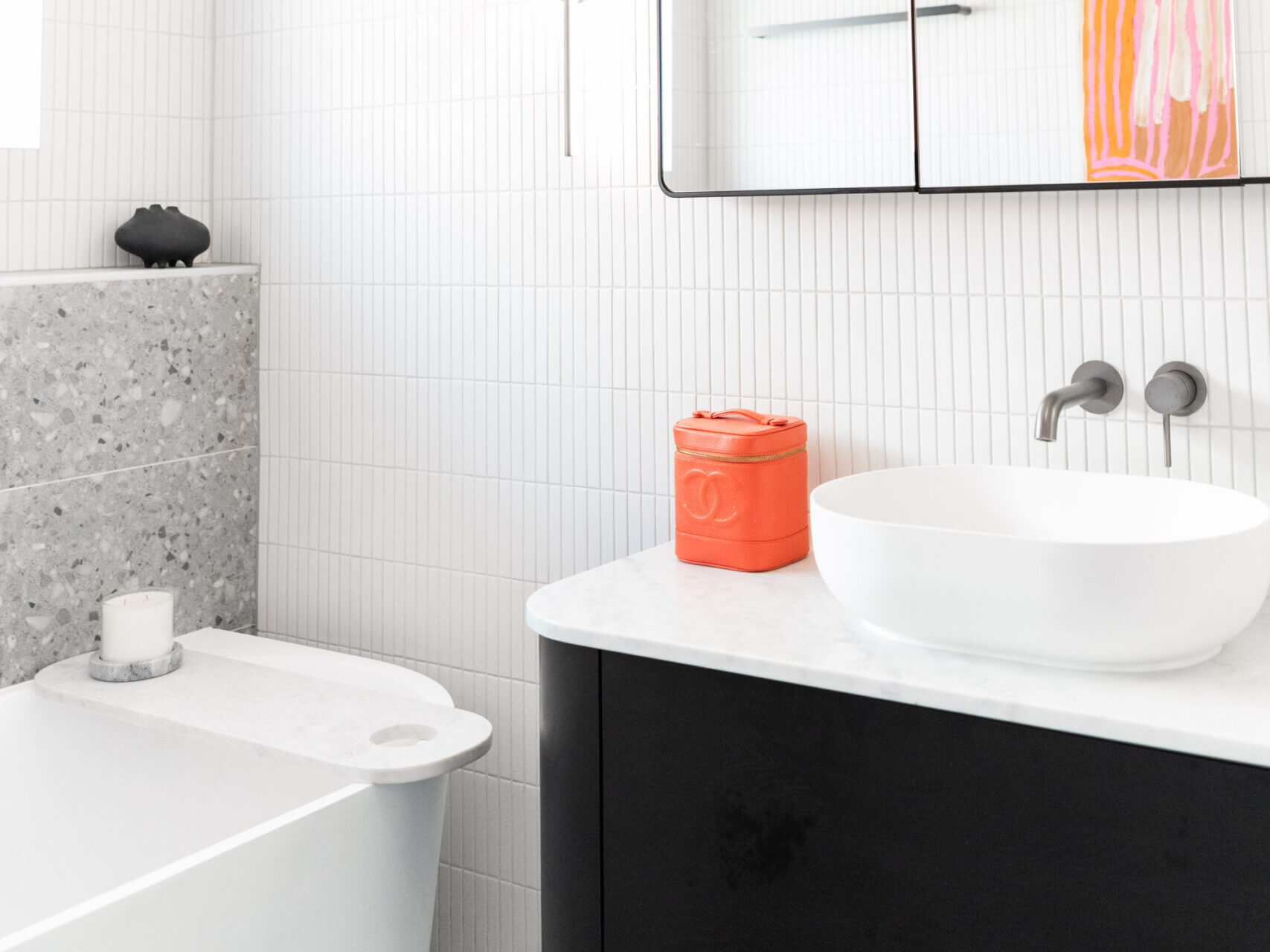
Planning a bathroom renovation in Melbourne starts with a clear scope, a realistic budget, and the right trades. Most delays and cost blow-outs happen when homeowners lock in fixtures too late, change layouts mid-build, or skip proper planning for waterproofing, ventilation and lead times. If you’re ready to get started, see our Bathroom Renovations Maribyrnong & Inner West service page for how we approach design, delivery and project management.
Key takeaways
- Decide early whether you’re doing a full renovation or a cosmetic refresh (it changes budget, timeline and trades).
- Lock in your scope, layout and finishes before demolition to avoid costly changes.
- Allow time for permits/approvals if your project involves structural changes or apartments.
- Prioritise waterproofing, ventilation and electrical planning, they’re critical in Melbourne homes.
- Confirm lead times for tiles, vanity, tapware and screens before you set a start date.
Step 1: Define your renovation scope (full vs cosmetic)
Start by deciding what you’re actually changing.
A full bathroom renovation usually includes:
- Demolition / strip-out
- New plumbing and/or electrical rough-in (especially if moving fixtures)
- Waterproofing and tiling
- New vanity, toilet, bath/shower, tapware
- Ventilation upgrades and lighting
- Painting and fit-off
A cosmetic refresh often includes:
- Replacing vanity and tapware
- New mirror, lighting, accessories
- Repainting and minor updates
(Usually without moving plumbing points or re-tiling everything.)
Why this matters: a full renovation needs tighter sequencing and more trades. A refresh can be faster but may not solve underlying issues (like poor drainage, ventilation, or ageing waterproofing).
Step 2: Set a realistic budget (and include a contingency)
Bathroom costs can vary widely depending on size, access, product choices and whether you change the layout.
When planning your budget, include:
- Labour (demolition, plumbing, electrical, waterproofing, tiling, carpentry/joinery, painting)
- Materials (tiles, waterproofing products, cabinetry, fixtures, fittings)
- Waste removal and skip bins
- Design or drafting costs (if needed)
- Permit or approval fees (if required)
Add a contingency
Include a buffer for surprises—especially in older Melbourne homes where you might uncover:
- water damage
- mould
- uneven floors/walls
- outdated plumbing or wiring
A contingency gives you breathing room without needing to downgrade finishes mid-project.
Step 3: Decide on the layout (like-for-like vs layout change)
One of the biggest cost drivers is whether you keep your layout the same.
Like-for-like replacement
- Faster planning
- Typically lower labour cost
- Less risk of unexpected plumbing/electrical work
Layout changes
- Can improve functionality dramatically
- Often requires more plumbing and electrical work
- May trigger extra approvals depending on what changes
If your bathroom is small, layout changes can be worth it but they need to be designed properly to avoid awkward clearances and daily frustration.
Step 4: Create a design plan and choose finishes early
Before you book trades, choose your key items so the project doesn’t stall.
Lock in:
- Tiles (floor + wall) and grout colour
- Vanity size, storage needs and benchtop finish
- Shower type (walk-in, framed/frameless screen)
- Tapware style and finish (chrome, black, brushed, etc.)
- Toilet type (close-coupled vs wall-faced)
- Lighting plan (general + task lighting)
- Mirror and storage (shaving cabinet, niches)
- Heating (if you want underfloor heating or heat lamps)
Melbourne-specific tip: plan ventilation properly
Bathrooms without good ventilation are more likely to develop condensation and mould. If your bathroom currently struggles with moisture, upgrading extraction is often one of the best “invisible” improvements you can make.
Step 5: Check if approvals or permits may apply
Not every bathroom renovation needs permits, but some do, especially if you’re changing structural elements or renovating within an apartment building.
You may need additional steps if you’re:
- altering structural walls
- changing window/door openings
- doing major plumbing changes that impact other units (apartments)
- working under body corporate rules
If you’re unsure, treat this as a planning checkpoint early so it doesn’t delay your start date.
Step 6: Choose the right trades (or a renovation team)
Bathroom renovations rely on sequencing. The work often needs to happen in the right order, on the right days.
A typical renovation will involve:
- Builder / renovation team
- Plumber
- Electrician
- Waterproofer
- Tiler
- Carpenter/joiner
- Painter
- Glazier (shower screen)
If you’re coordinating trades yourself, you’ll need a clear schedule and confirmed availability. If you’re working with a renovation team, make sure you understand:
- who manages the project day-to-day
- how variations are handled
- how timing and product lead times are managed
To get a feel for workmanship and finishes, browse recent Renovation Projects in Melbourne.
Step 7: Build a step-by-step timeline (with lead times)
A common planning mistake is booking a start date before products arrive.
A simple planning timeline looks like:
- Measure and scope (site visit)
- Finalise layout and inclusions
- Order tiles, vanity, screens and fittings
- Confirm trades and start date
- Demolition and strip-out
- Rough-in plumbing and electrical
- Waterproofing (critical stage)
- Tiling and curing time
- Fit-off: vanity, toilet, tapware, accessories
- Shower screen install and final finishing
- Final checks and handover
Pro tip: Custom vanities and specialty tiles can have longer lead times. Confirm this before you lock the build schedule.
Step 8: Prepare your home for renovation week
A bathroom renovation affects daily life more than most other home upgrades.
Plan for:
- alternative bathroom access (especially for families)
- protecting floors and nearby rooms from dust
- access for trades and parking (where possible)
- pet safety and noise
- delivery space for tiles and fixtures
If your bathroom is the only one in the house, your plan needs to account for that from the beginning.
Step 9: Focus on waterproofing and quality control
Waterproofing is one of the most important technical stages in any bathroom renovation.
During planning, ask:
- when waterproofing is scheduled
- what curing times are required before tiling
- how levels, falls and drainage are checked
- what checks happen before fit-off
This is where quality workmanship matters most because problems can take months to show up.
Step 10: Final checks before handover
Before you consider the job complete, run through the essentials:
- Water pressure and temperature are stable
- Drainage is correct (no pooling water)
- Exhaust fan works effectively
- Lights and power points are functioning
- Silicone and grout lines are clean and finished
- Screens and doors close properly
- No leaks around taps, vanity or toilet
It’s much easier to fix minor issues at the end than weeks later.
About Forefront Trades Co.
Forefront Trades Co. is a Maribyrnong-based renovation team working across Melbourne’s Inner West. Learn more about our approach and experience on our About Us page.
Ready to plan your bathroom renovation?
If you’d like help scoping your bathroom renovation, choosing finishes, and building a clear schedule, you can reach out via our Contact Us page.